 Welcome to the newsletter from Distance Families DISTANCE FAMILIES NEWS
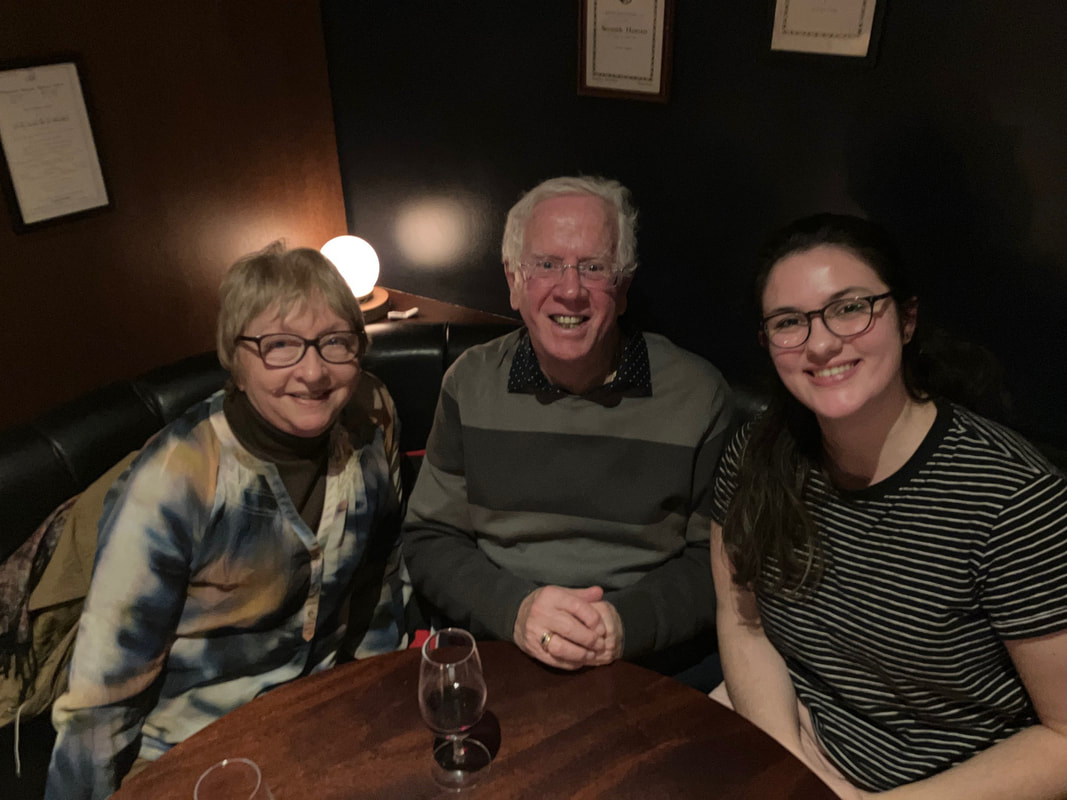
They're forced to blend in and figure it out, making it mainly a DIY 'adventure'. More often than not, it was their choice to move. They feel a sense of responsibility to make it work… come what may. Thrown into the mix are the children’s experiences, which can differ, even in the same family. The outcomes for these children is an aspect of global mobility that sits under the radar. In August FIGT ANZA will host a New Zealand focused migrant webinar about these permanent migrant children. Auckland is one of the most diverse cities in the world with the fourth highest foreign-born population at 39%. Every day migrant children flip-flop between their home, school and friend cultures. How does this affect them? Even their name can flip-flop. This article is a real eye opener. If you have an interest in this topic, you are very welcome to sit in on this online event when I interview Miki Brooks. For more info and to register please click here. BOOK SERIES NEWSOne of the joys of being an author are ‘meet the author’ events when you chat with readers who for me, are also the subject of my books. Thanks to the generous hospitality of Chicago’s expat supporter, Linda Mueller, I recently enjoyed this treat-twice. We co-hosted two sessions (daytime and evening). The venue was unique… a private club that felt like a secret speakeasy bar. Check out Birch Road. We sipped coffee/wine, ate nibbles, and discussions flowed.
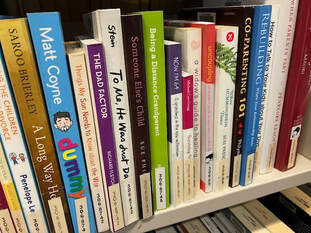
One of the main concerns raised by attendees was how to care for elderly parents who live far away. It’s the toughest gig of expat/migrant life. It was hard not reach for my well-thumbed and tabbed copy of Being a Distance Daughter and remind them of the chapters and topics they can access to help their journey.
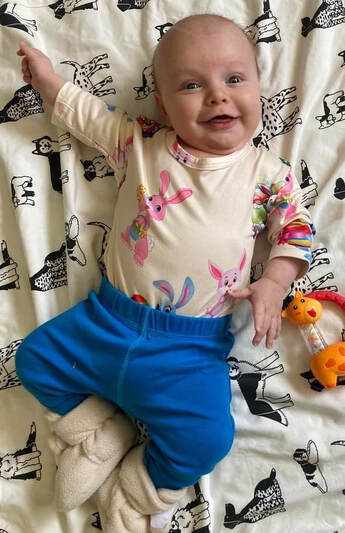
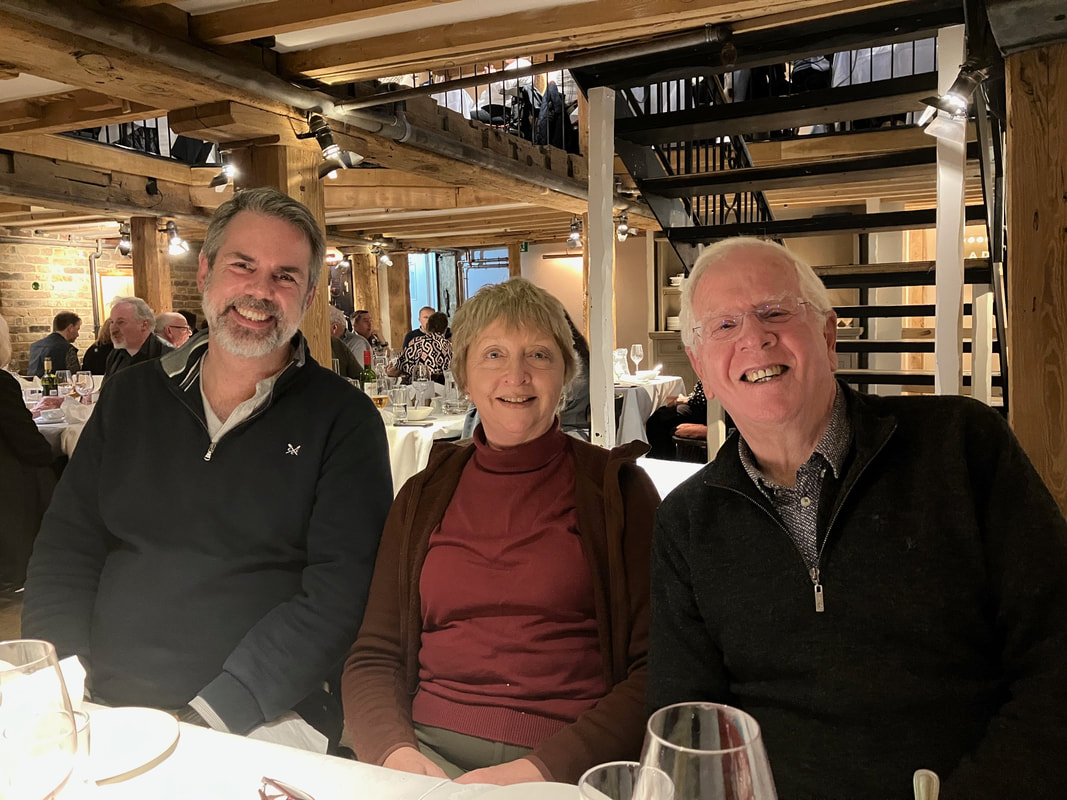
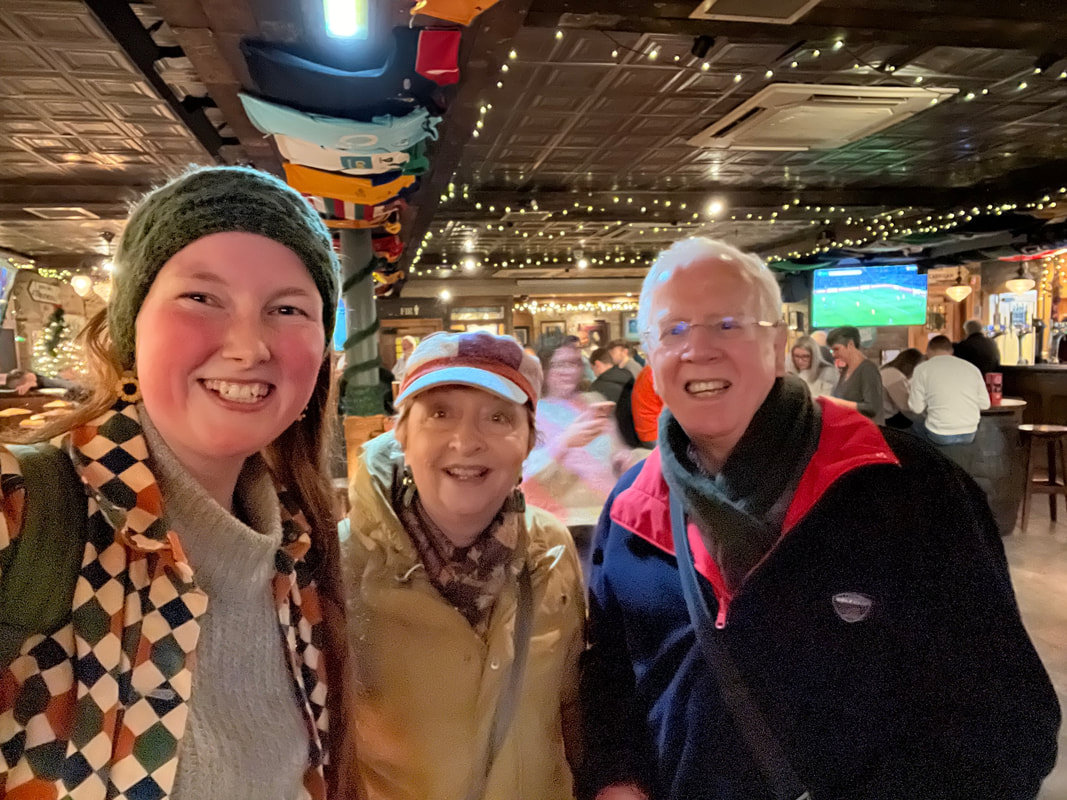
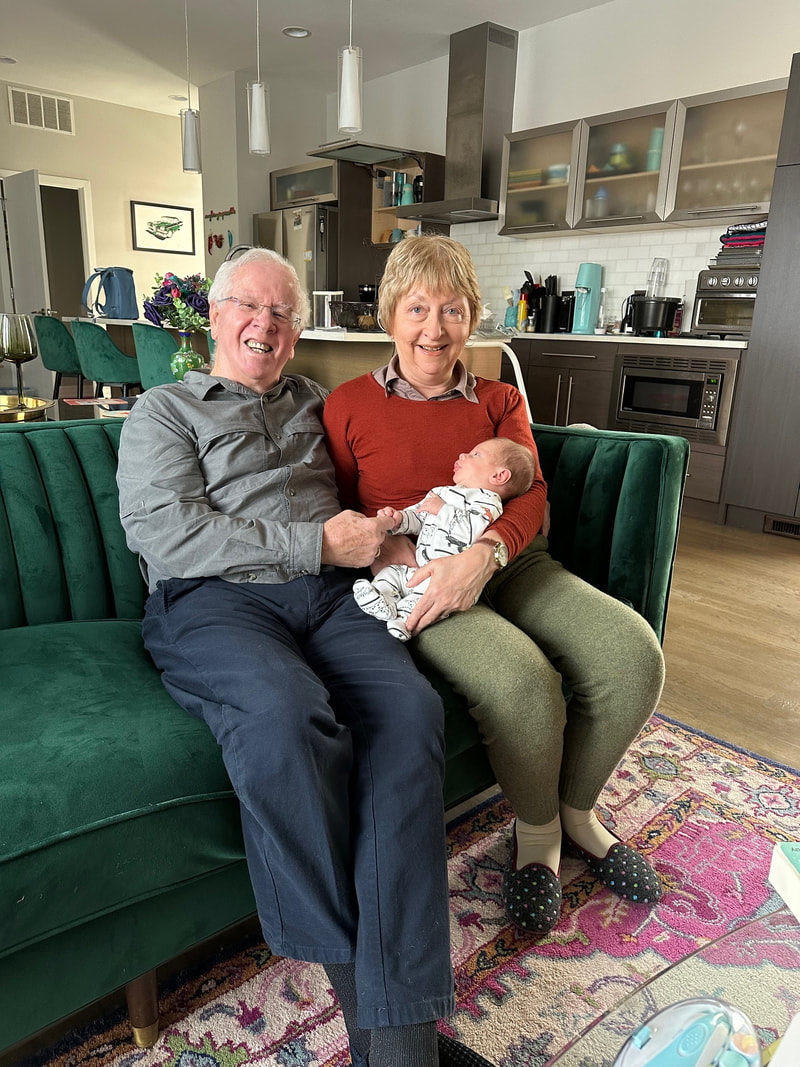
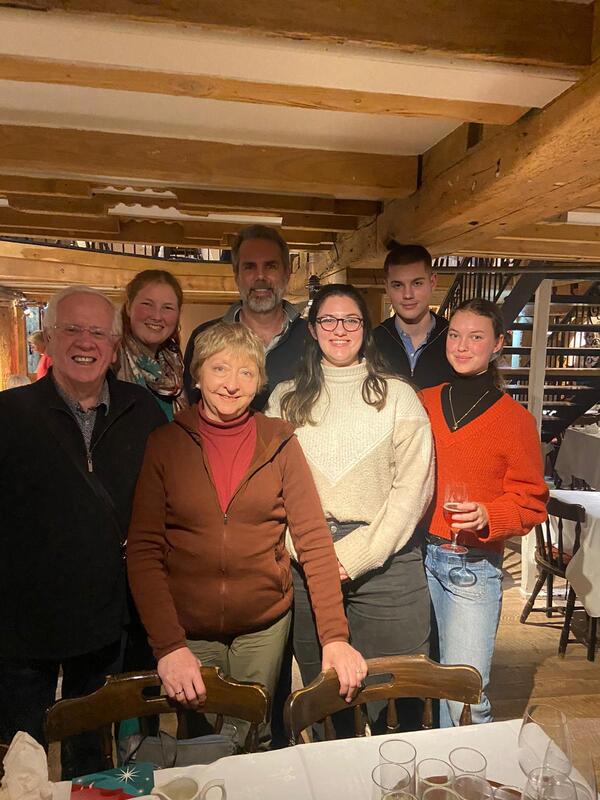
ON THE HOME FRONTWe thoroughly enjoyed 5 weeks visiting family in U.S.A. We saw our new wee grandson again, our older grandsons who met their new cousin for the first time, our daughter, son and daughter-in-law and met dozens of their friends. The latter is a very important part of our visits. They want us to experience ‘their USA’ – their homes, where they work, their friends, where they like to hang out etc. This trip also included grandson, end-of-school-year events which I can thoroughly recommend timing visits around, as a way of learning more about your grandchildren’s worlds. In my last newsletter I mentioned our grandson's new, enthusiastic interest in all-things cricket. In Being a Distance Daughter I ask the question, What is your Distance Family 'currency'? Finding your Distance Family currency is helpful. What interests do you have in common with your parents and/or parents-in-law and extended family? Is it fishing, art, football, running, board games, kite flying, camping or something else? These will always be the easiest to nurture. Stick with what you’re good at and accept that some things aren’t your cup of tea. Comparing your currency to that of other families is a gigantic waste of time. This visit our shared currencies were home made fruit cake transported across the Pacific (always a winner), cricket and chess (another new currency). It had been decades since I've played chess and the brain was a tad rusty. But what the heck, my 9 year old grandson loved beating Nanma. I'll need to brush up my chess before his next visit.
Take care until next time
Helen Ellis *** Not registered to receive this monthly newsletter? You may register on the right of this page *** *** Please forward this newsletter to others who may enjoy it. Thank you! ***
0 Comments
Welcome to the newsletter from Distance Families DISTANCE FAMILIES NEWS
BOOK SERIES NEWS
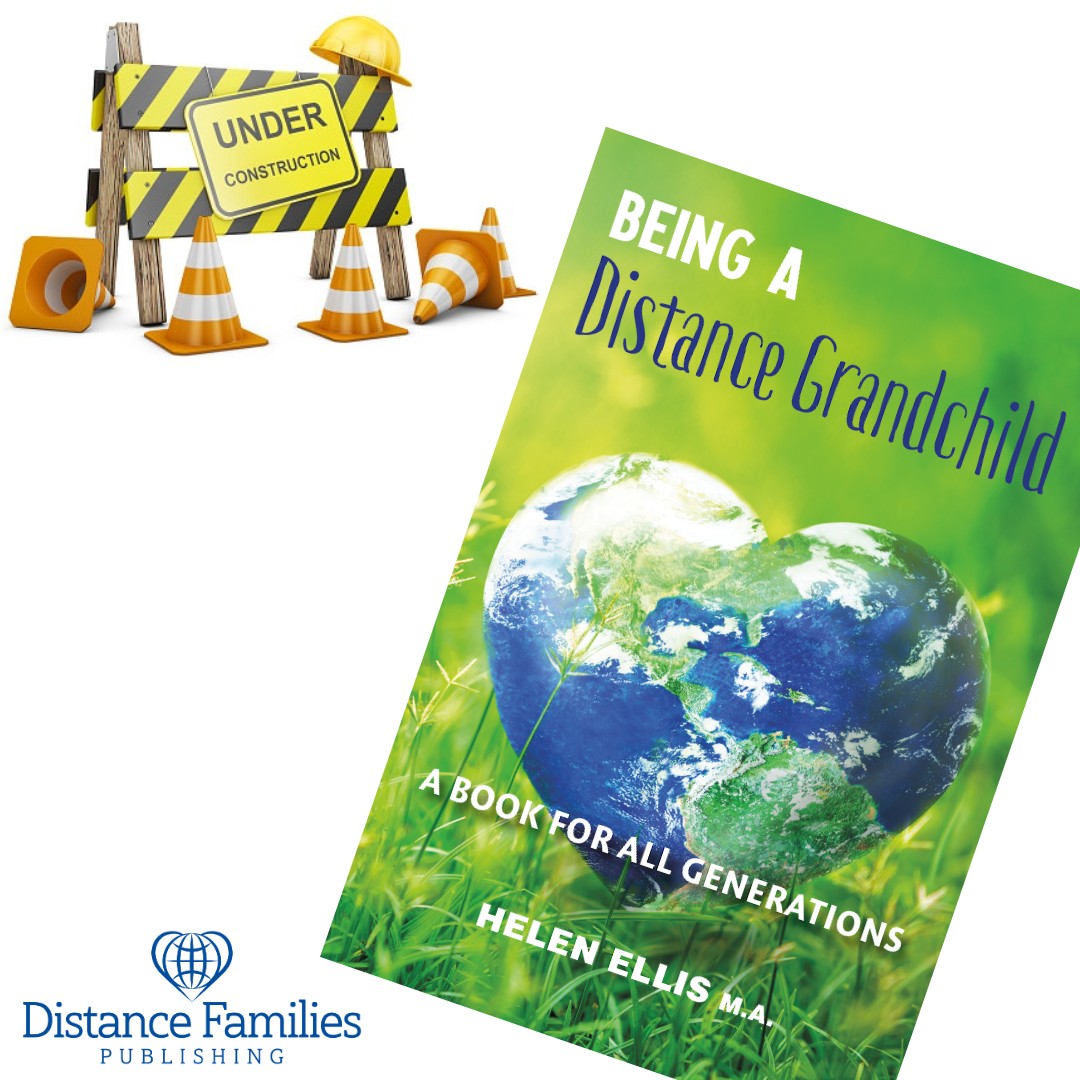
Sadly, these topics are rarely raised over the kitchen table or online calls between generations. The subtitle of my books is, A Book For ALL Generations. The grandparent book isn’t just for grandparents and the Son/Daughter book isn’t just for expats and migrants. The upcoming grandchild book won't be just for grandchildren. Actively learning ‘how it is’ for the ‘other’ generation is a generous Distance Families act of love and fills voids you didn’t know existed in a helpful, settling way - a case of, 'you don't know what you don't know. To those who have read my books – thank you. Your greatest gift to me is to write a review, somewhere so others can learn from you. Amazon is the most valuable platform but depending on where you live in the world, and how often you shop with them it isn’t always possible to leave a review there. Here’s a link to a bunch of platforms including Amazon. ON THE HOME FRONT
I will be home mid-June and for the first time since the pandemic times there are no more travels booked. The priorities will be:
There won't be a newsletter in June, but I'll be back in July as normal. Take care until next time
Helen Ellis *** Not registered to receive this monthly newsletter? You may register on the right of this page *** *** Please forward this newsletter to others who may enjoy it. Thank you! *** Welcome to the newsletter from Distance Families DISTANCE FAMILIES NEWS
BOOK SERIES NEWS
Just a reminder if you’d like to go into the draw for a free paperback edition posted anywhere in the world just click here. ON THE HOME FRONT
Welcome to the newsletter from Distance Families DISTANCE FAMILIES NEWSONLINE GLOBAL GATHERING - 20/21 April 2024
SAVE THE DATE - Chicago, May/June 2024 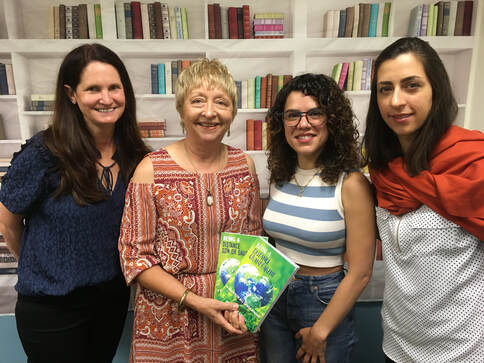 I will be back visiting family in Chicago in a few months. The lovely Chicago based Linda Mueller is an Expat Coach and Founder of International Women in Chicago. Linda does an amazing job gathering expats, arranging events and creating a community of like-minded women experiencing similar transitions. In 2022 Linda kindly hosted an author event and I met with some of her community. We're going to do this again - this time a daytime session on Wednesday 8 May and an evening session on Tuesday 4 June. Live in Chicago or know someone who does? Please let them know about these events and Linda's work. BOOK SERIES NEWS
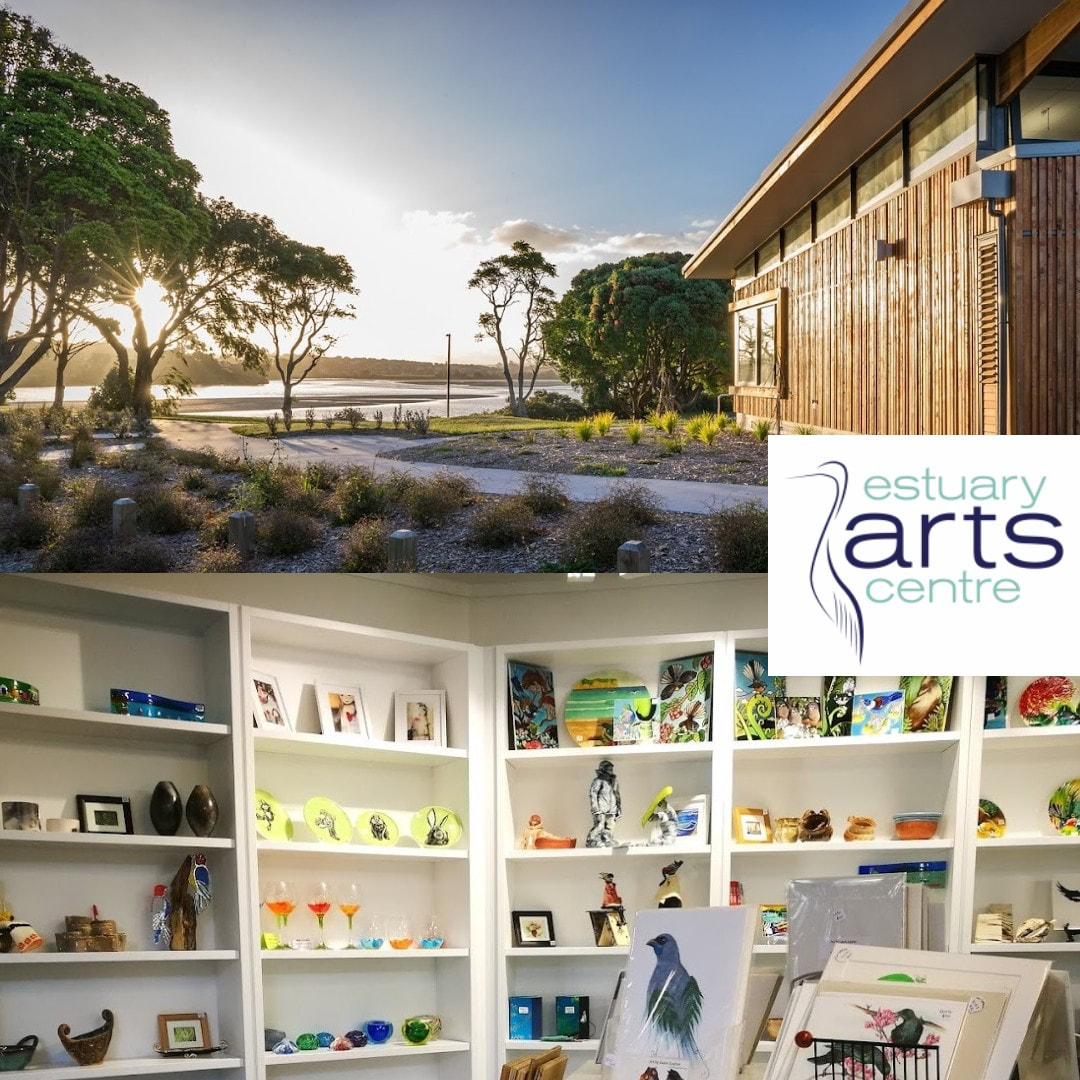
Shop manager with the subject line, "More stock please" and the message, "The Distance Grandparent books are flying out the door", I knew I was overdue for a short drive north to drop off more stock. I love chatting to the volunteers in the shop who are passionate about their merchandise and local area. I am so impressed with this community facility. If you live in New Zealand and have a similar sort of shop nearby please let me know. I would love to contact them and offer the book series. ON THE HOME FRONT
Take care until next time
Helen Ellis P.S. Not registered to receive this monthly newsletter? You may register on the right of this page. Thanks for your support. HE Welcome to the newsletter from Distance Families DISTANCE FAMILIES NEWS
When English isn’t your mother tongue and you live in a culture diverse from your own it’s important to work on meeting and making friends with locals, however, there’s still a need to find a community of your own people. Latin Stories Australia is a success story supporting Latino migrants in Australia. Like to learn more? Please join me on a Families in Global Transition, Australia and NZ Affiliate webinar with Latin Stories Australia Founder and Director, Trini Abascal. Click here for more information. BOOK SERIES NEWSWork on the final book in the Distance Families Book Series, Being a Distance Grandchild took a wee rest while I was travelling for two months. However, that didn’t mean its stories didn’t travel with me.
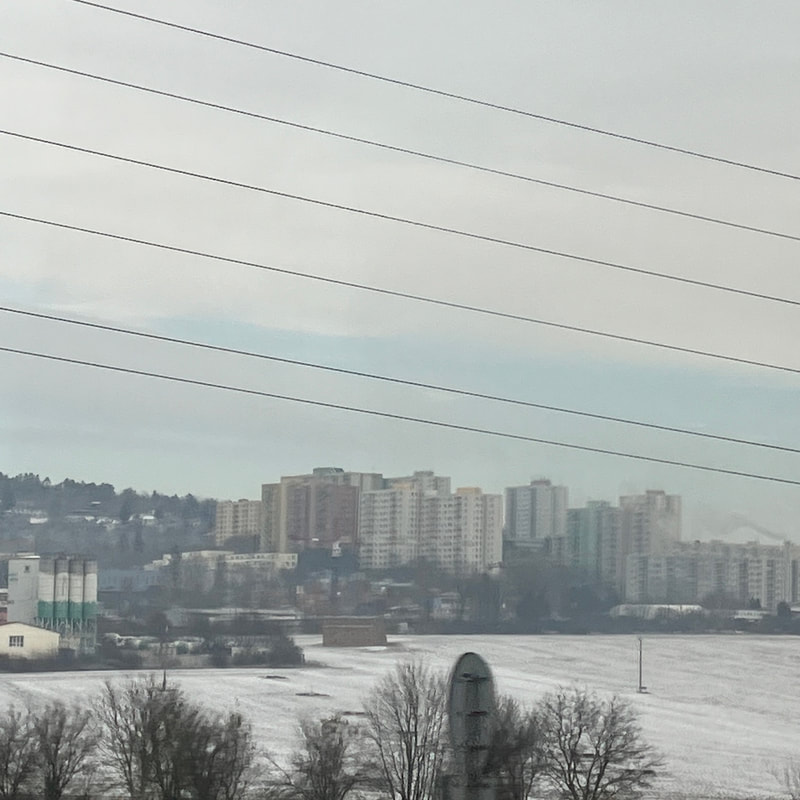
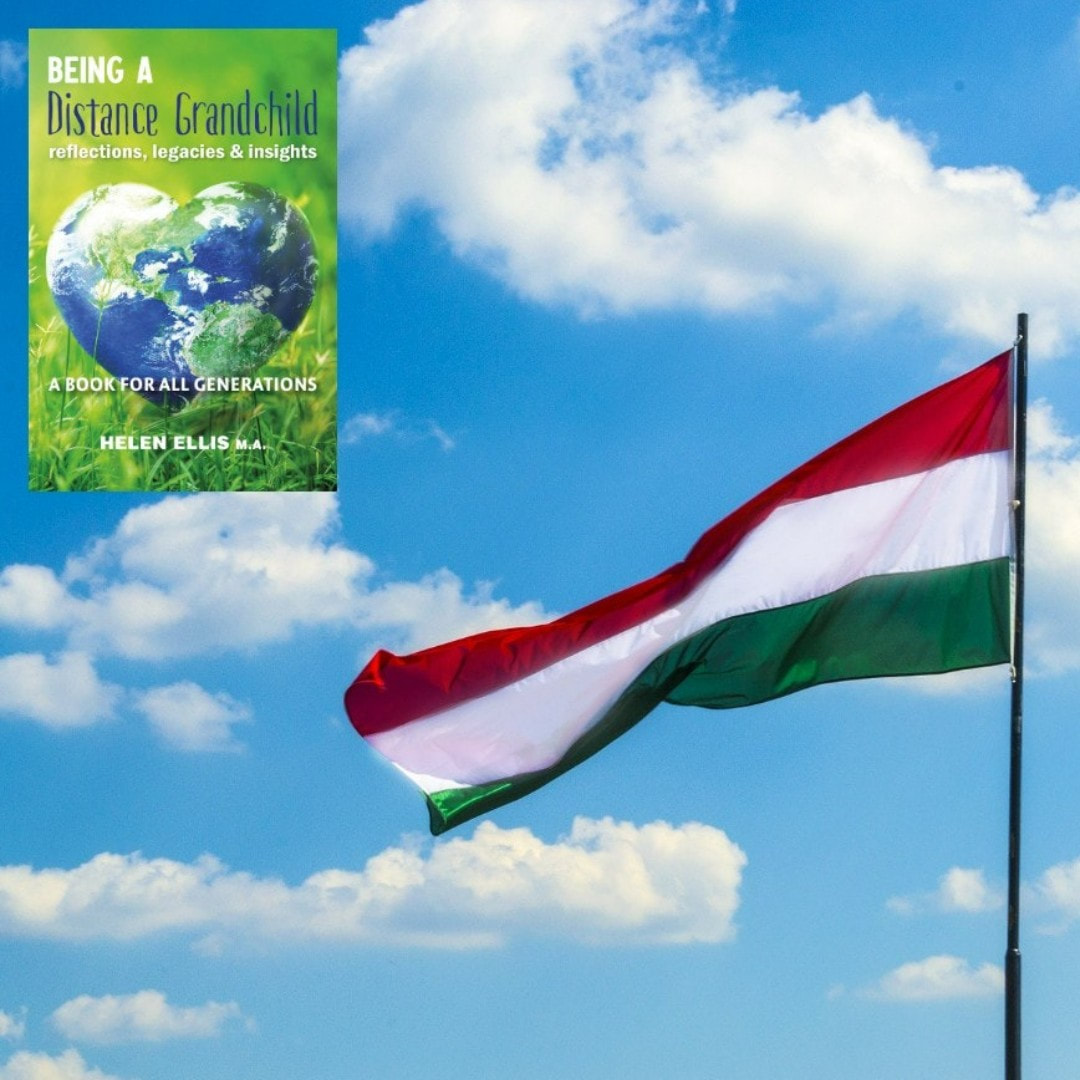
I was on a coach between Prague, Czech Republic and Budapest, Hungary and the Hungarian guide shared history about his country. He explained that the Hungarian language has Asiatic links and is unique. It has no links or similarities to its neighbouring Slavic languages. Only Hungarians speak Hungarian. Consequently, the language has limited practical use outside of its national home. Then the guide said something that immediately struck me… “we have to move abroad to learn languages”. That is the title I have already given in my book draft to a special Hungarian Distance Granddaughter’s story. Here it is... Excerpt from the draft of Being a Distance Grandchild Her maternal [Hungarian] grandmother was free-spirited and not the least concerned about what people thought. She rescued plants and animals. Her chaotic, cluttered home and garden felt like a circus to young Anna but she had a “magic touch” with anything that grew or moved. Fitting in and doing ‘normal’ things wasn’t for her. Others would sometimes disapprove. Cooking wasn’t important to her but she was famous for a couple of sweet dishes. “I still remember the taste of her filled doughnuts and apple pie. No one knew how she made them like her. It was her magic again. Even my other traditional grandmother couldn’t understand how her doughnut secret”. She had never travelled and spoke only Hungarian. Life was tough for her but she never complained. There was a special connection for me when the guide spoke as it did. Being a Distance Grandchild will be published in 2024 (ish). For more info please click here. ON THE HOME FRONT‘Home’ since late November to mid-January has not been New Zealand. Hubby and I have experienced one of the most MEGA trips of a lifetime – close on 8 weeks away in the Northern Hemisphere winter.
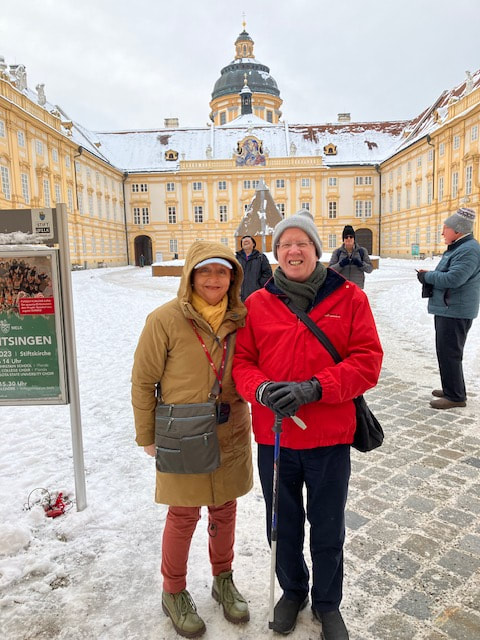
We visited with family in five locations: Edinburgh, Exeter, Wiltshire, London and Chicago. Separately we enjoyed a river cruise from Budapest to Amsterdam, experienced many Christmas markets, explored in snow, ice and temperatures as low as -24C – all amazing experiences. Unique times were spent with our older U.K. grandchildren (21 – 24 years). During all this our 7th grandchild was born in Chicago and we had a few days of grandparent cuddles enroute to home.
We had to occasionally dig-deep as we navigated 60+ flight hours, moved from place-to-place, household to household all the while sleeping in 10 different beds and travelling through 11 countries. When you visit family overseas, I can vouch for the fact that some trips are good, and some trips are extra special. This one was, without a doubt, in the extra special category. We are most grateful we managed to make it happen. I also admit it was glorious to walk in the door of home and immediately put on a sundress! Take care until next time Helen Ellis P.S. Not registered to receive this monthly newsletter? You may register on the right of this page. Thanks for your support. HE
Welcome to the newsletter from Distance Families This is a combined December/January mini newsletter. We're on the road visiting family for 7+ weeks wrapped up in our warmest winter clothes and enjoying everything the Northern Hemisphere can offer at this time. We're on a European river cruise. Afterwards we'll go to spend time with our granddaughter in Edinburgh, our son, grandson and granddaughter in Wiltshire, England and then across to Chicago for our second son, daughter-in-law and new grandson who has yet to make an appearance into this world. Like to follow our travels? Check out the various social media platforms where I make an appearance. Last Christmas was a big catch up for so many Distance Families after the trials and separations due to COVID. This Christmas feels more like 'business as normal' for those of us blessed to live in the more peaceful parts of the world. Wishing you a blessed Christmas, safe and happy holiday season. Helen Ellis Welcome to the newsletter from Distance Families DISTANCE FAMILIES NEWS
If you can’t join us live the session will be recorded. It is necessary to register in advance to receive the recording link. There will be an unrecorded Q & A session at the end of the webinar for those attending on the day. BOOK SERIES NEWS
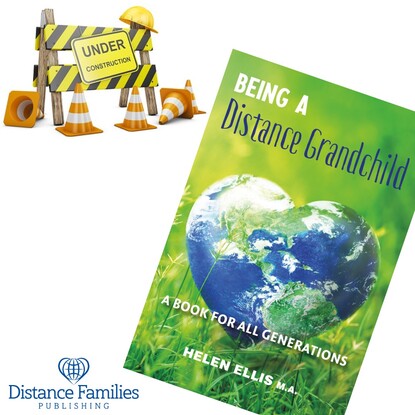
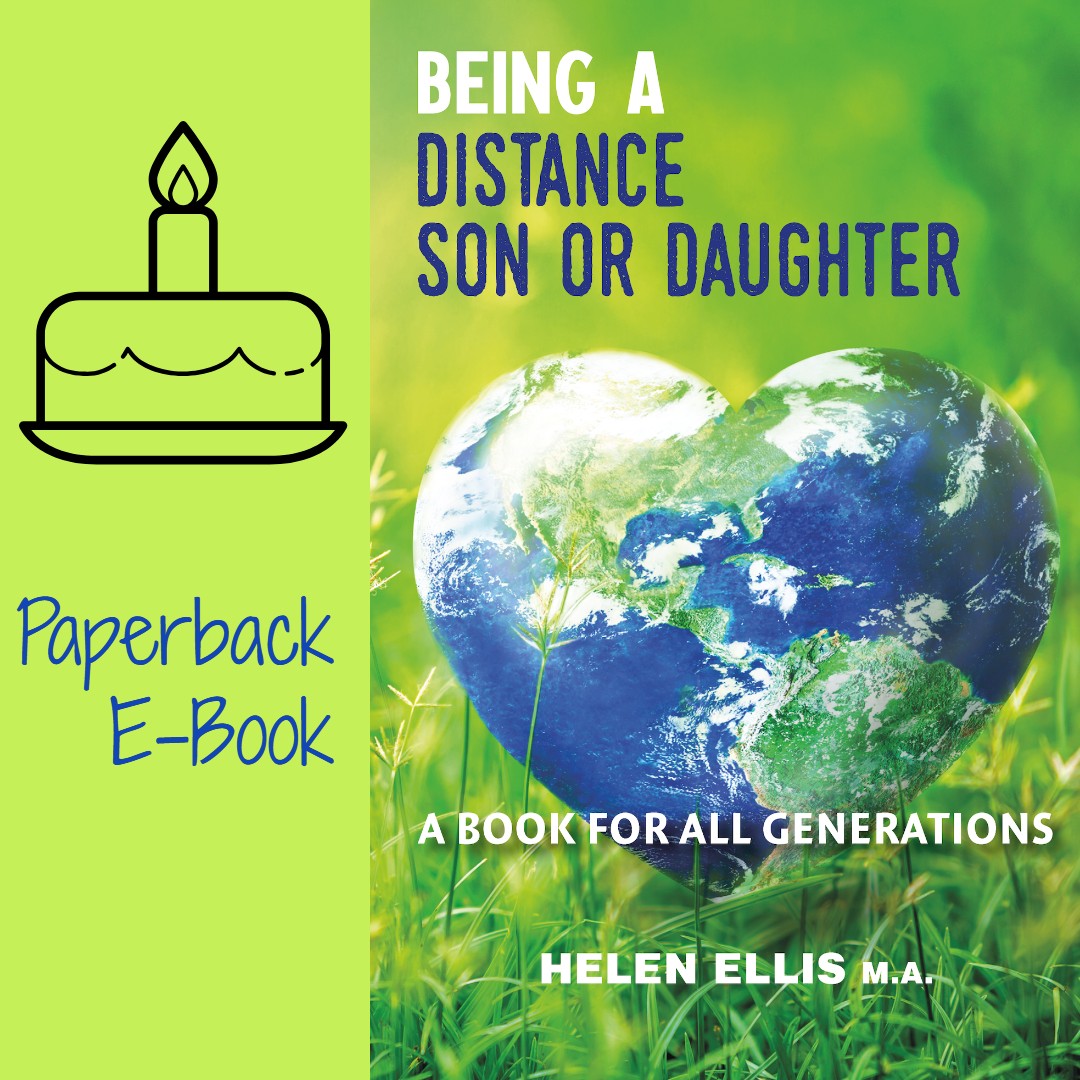
Being a Distance Grandchild - a Book for ALL Generations will be published later in 2024. Click below to go into a draw to win a free copy. ON THE HOME FRONT
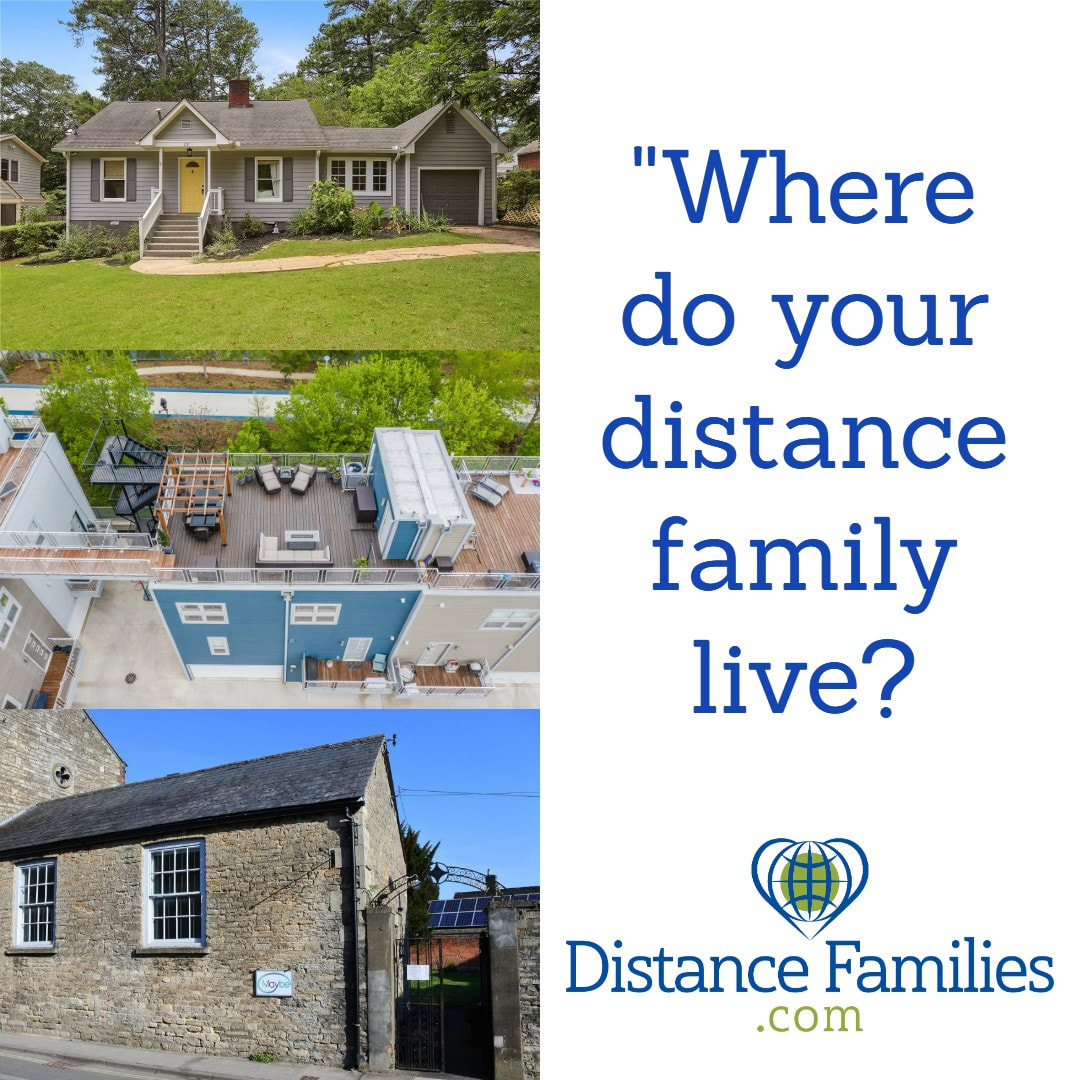
And of course, hubby and I are moving next year also. If you missed that memo last month here a link to our house for sale. Please spread the word to returning expats and migrants heading to Auckland, NZ. Take care until next time
Helen Ellis P.S. Not registered to receive this monthly newsletter? You may register on the right of this page. Thanks for your support. HE Welcome to the newsletter from Distance Families DISTANCE FAMILIES NEWS
Mike, the technical guru half of this dynamo grandparent couple, edits in short musical interludes giving listeners moments to reflect. Their podcasts are such an easy listen. Click here for a 24 minute listen. If you enjoy podcasts there's a bunch of other recordings here - scroll down a little on DistanceFamilies.com BOOK SERIES NEWSAnytime I am heading to a different part of Auckland I put a copy of 'Being a Distance Grandparent' in my car. I try and include a stop at a retirement village and donate a copy for the residents' library. The latest stops have been #selwynvillage in Point Chevalier and #LadyAllumVillage in Milford. I love the surprised reactions from the receptionists!
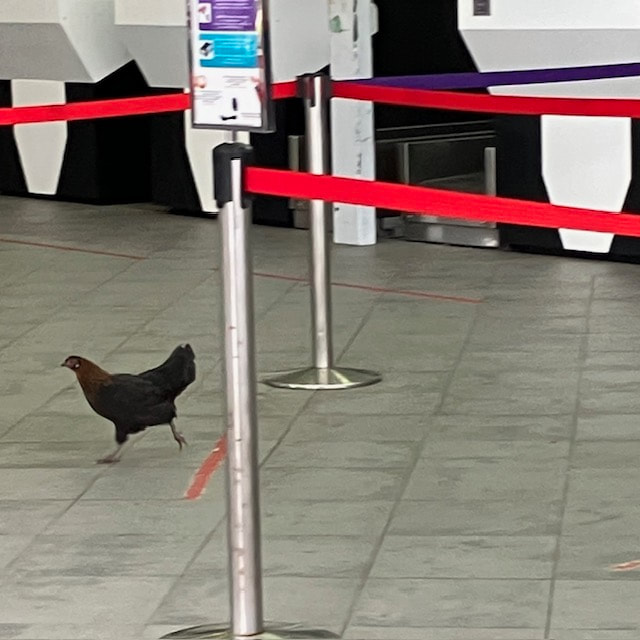
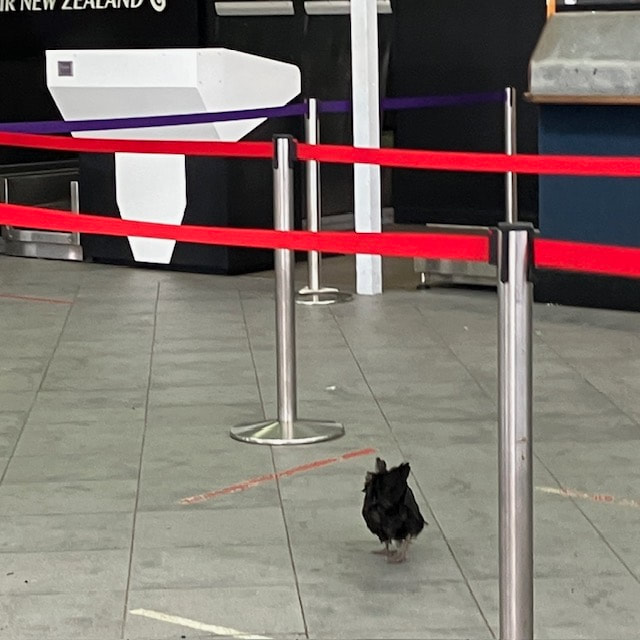
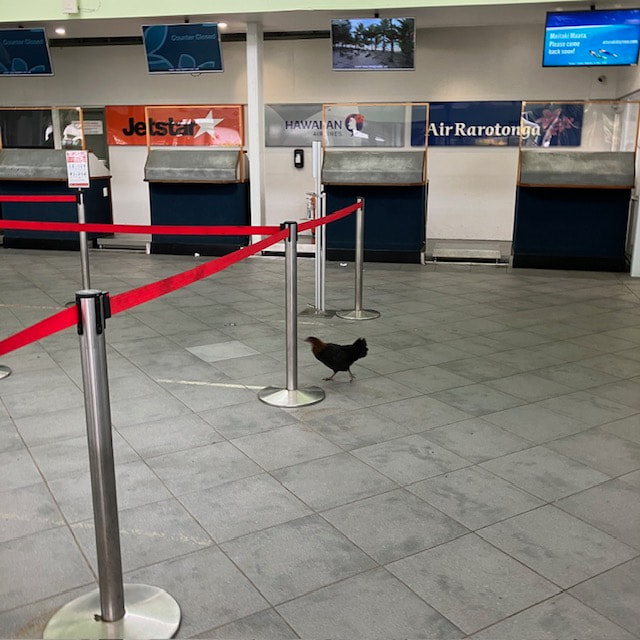
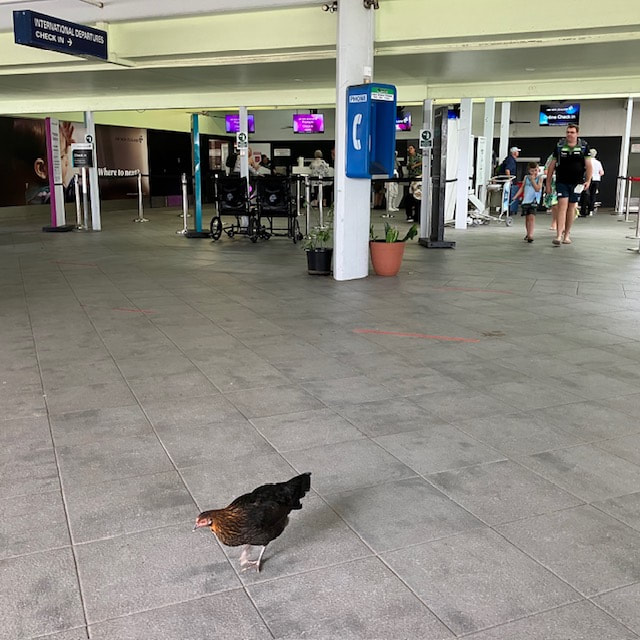
My books are also perfect for public libraries. Recently an American distance grandmother, who is a member of my private ‘Being a Distance Grandparent’ Facebook group reported… I requested your book from my public library but they did not have it in their collection. Much to my surprise, however, they bought it on Amazon and it was sent directly to me. All I have to do is return it now that I’ve finished reading it and the library will add it to its collection. News like that makes my day as it’s hard to reach public library decision makers. If you have a public library you regularly visit I would love it if you could bring my books to their attention. Click here for a one page document you may hand them with all the info. If you’ve read one or both of my books your recommendation will be valuable to them. ON THE HOME FRONTIn last month’s newsletter I mentioned we were off again to Rarotonga, in the Cook Islands. Our last visit was plagued by horrendous weather so we had great hopes for this return sojourn. It wasn’t to be. More rain, flooded roads and gusty winds. We did walk on the beach a couple of times while carefully avoiding possible falling coconuts - but that was it. Our swimming gear and snorkels stayed in our suitcase and the whale watching boat trip was postponed a couple of times and never eventuated. It was still warmer than home which is always nice in winter. And yes, we saw more chickens at the airport. Here’s some pics.
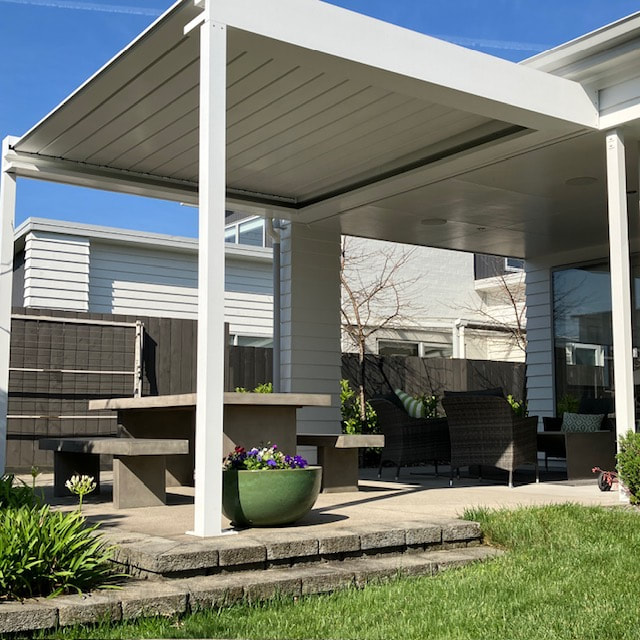
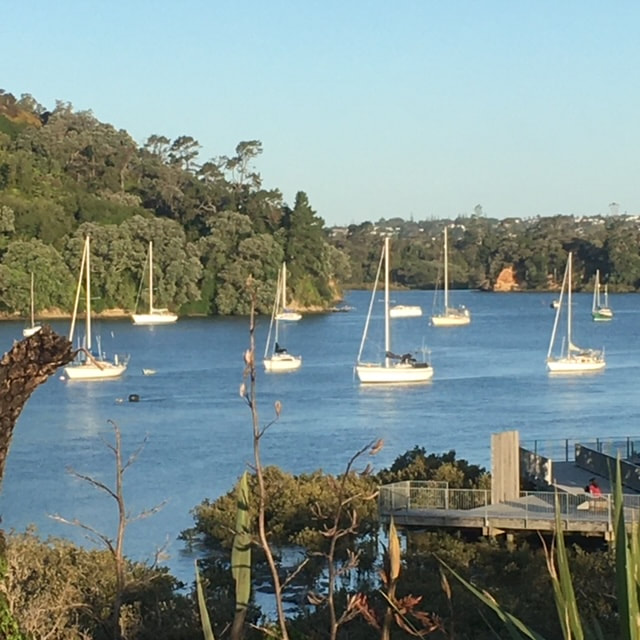
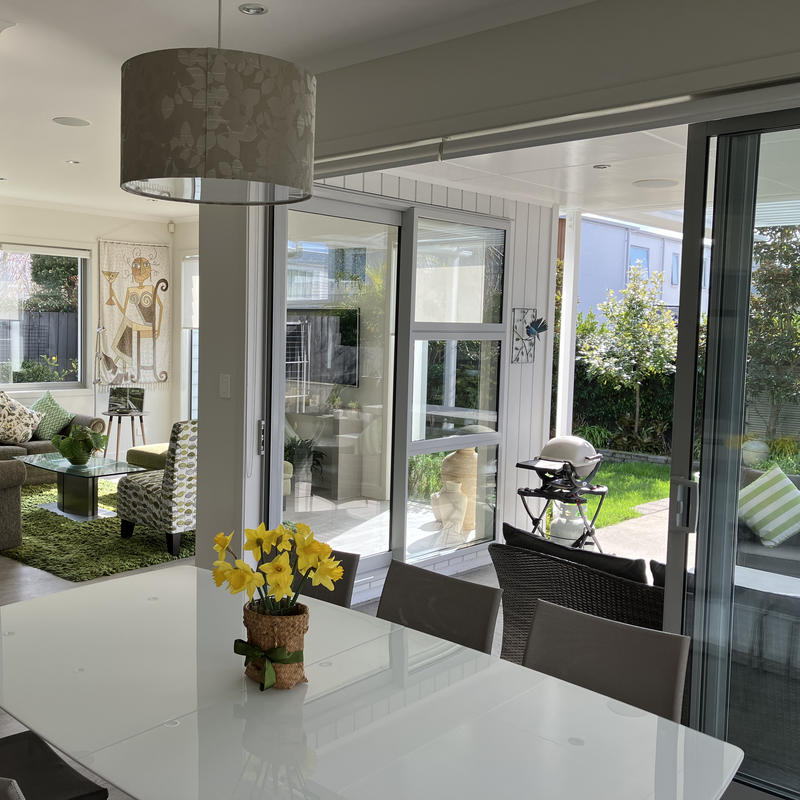
On a different front hubby and I have decided to downsize a little and we’ve signed up for a new-build apartment, 20 minute’s walk from where we currently live. It has lovely water views which was the attraction. The reason I am sharing all this is that our current 4 brm/2 bathroom, 10 year old house would be perfect for a returning expat or new migrant family. It will be going on the market next year. We have a bunch of appliances and furniture we can’t take with us. These items would be super handy for a newly arrived family. It is very expensive to ship furniture around the world and our bits n pieces would avoid any necessity to ‘camp out’ before the basics were acquired. So if you know any returning NZ expats or potential migrants heading to Auckland next year here’s a link to a Facebook page I've created about the house. Our new apartment is supposed to be ready August 2024. More of that another time.
Take care until next time
Helen Ellis P.S. Not registered to receive this monthly newsletter? You may register on the right of this page. Thanks for your support. HE Welcome to the newsletter from Distance Families DISTANCE FAMILIES NEWS
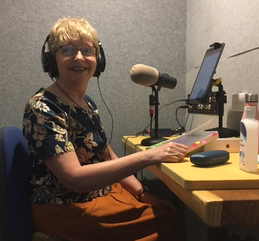
BOOK SERIES NEWSDid you know there is an audio version of Being a Distance Grandparent narrated by me? What’s more it’s a (distance) family affair. My Chicago based broadcaster son, Robbie narrated the Foreword written by Professor Loretta Baldassar. Loretta is a global expert scholar on the subject of families caring from a distance and I was honoured to have her support the book project.
ON THE HOME FRONT
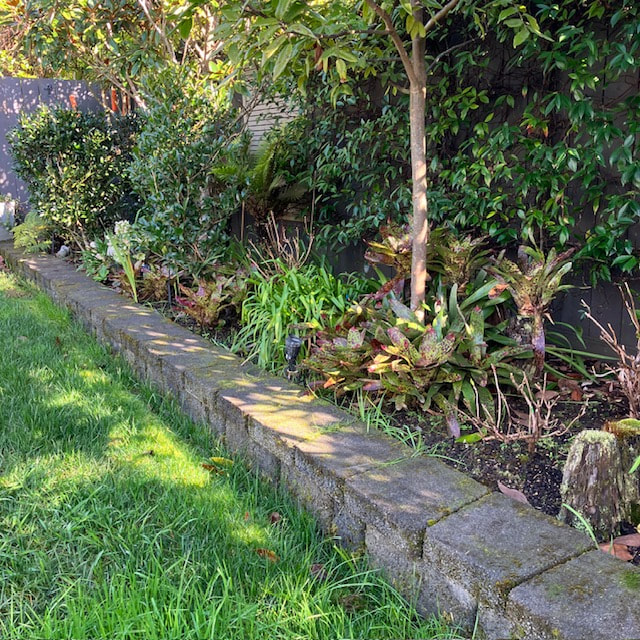
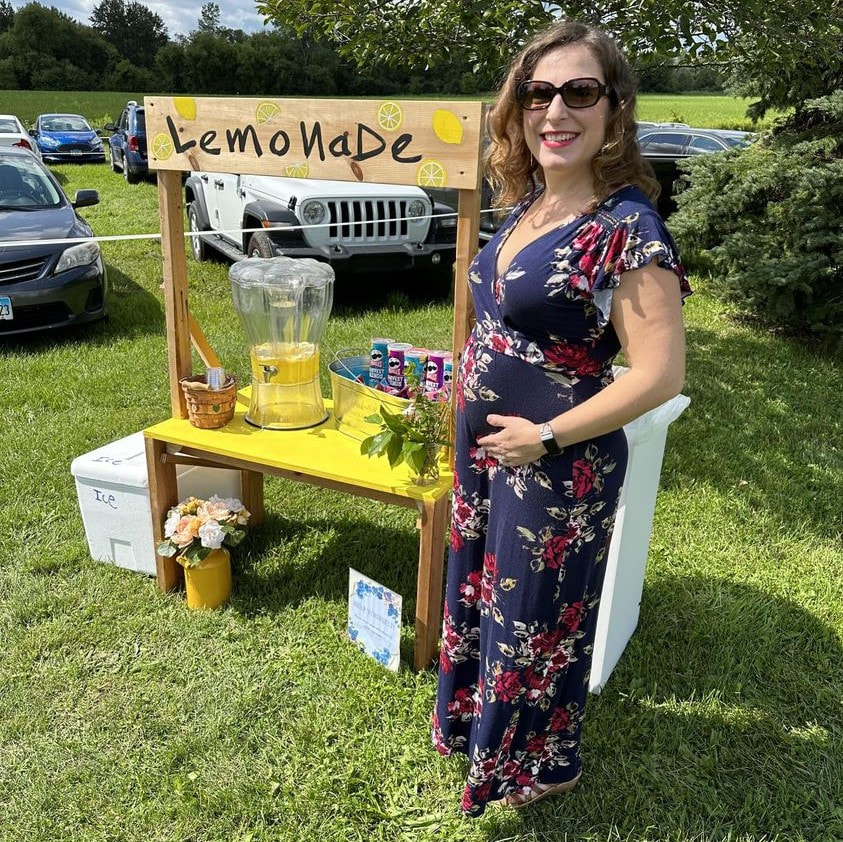
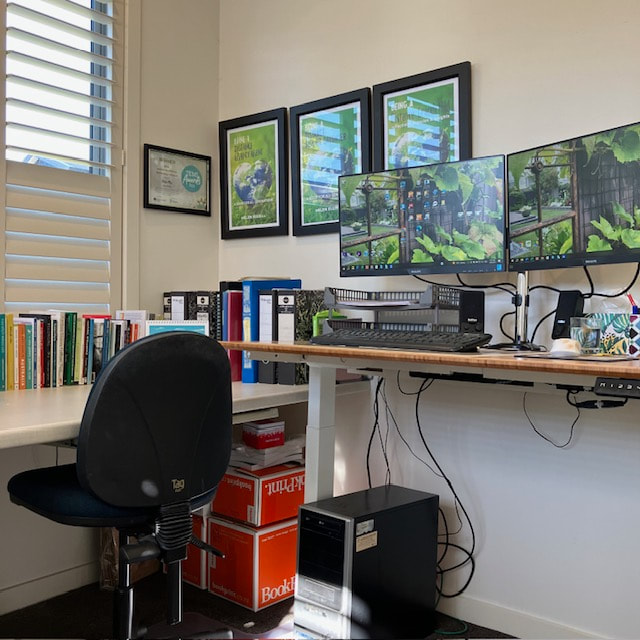
,1st of September is the first day of Spring in the Southern Hemisphere. The end of our garden along the fence line loses the sun all winter but come the start of Spring sunshine filters through warming the soil and alerting the hydrangeas to wake up and get ready to display a spectacular Summer show. On the subject of growing our U.S. daughter-in-law is proudly showing the world a lovely baby bump. We look forward to cradling our new grandson next January. A recent office acquisition is a stand up desk. Years of sitting at a desk for university study and writing books has *** my body a bit. I am expecting great things from this new installation! Finally, we’re off shortly for a week’s sun in Rarotonga in the Cook Islands. It a 3+ hour flight away across the Pacific Ocean. We cross the Dateline and arrive the day before! Last time we went in January 2022 we flew in on Day 2 after the island reopened after the pandemic. It was also the same day of the Tongan volcano explosion. The Guardian quoted that the volcano released 1000 times more energy than the Hiroshima bomb. It was a tad disconcerting as our accommodation was on the beach. Anyway, we survived that. Then a couple of days later a cyclone arrived. We had to stay indoors for 24-48 hours to avoid flying coconuts and flooded roads. Crossing our fingers this time for calm, warm weather and a few days of blissful RnR. Maybe we'll see chickens at the airport again! 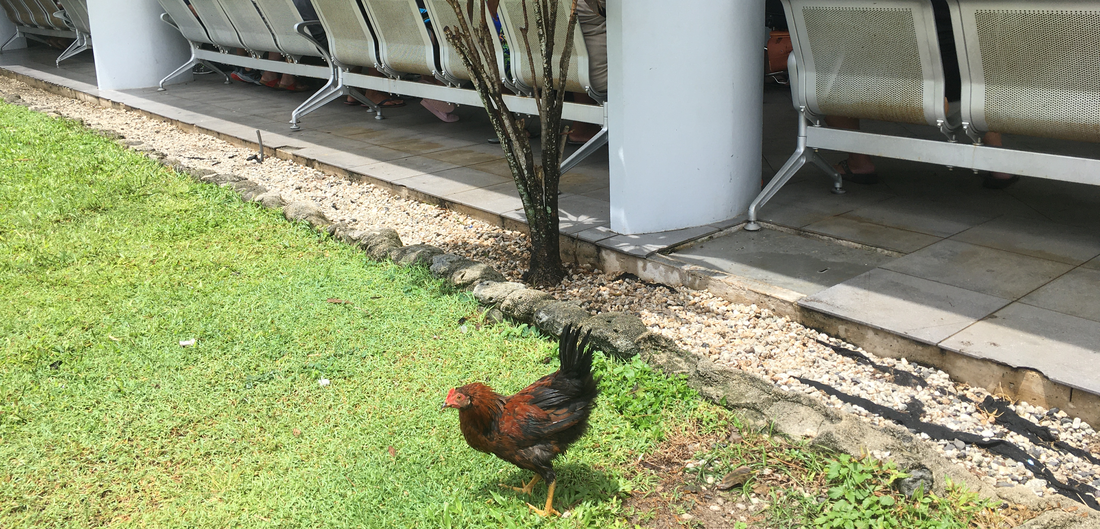 Take care until next time
Helen Ellis P.S. Not registered to receive this monthly newsletter? You may register on the right of this page. Thanks for your support. HE Welcome to the newsletter from Distance Families DISTANCE FAMILIES NEWS
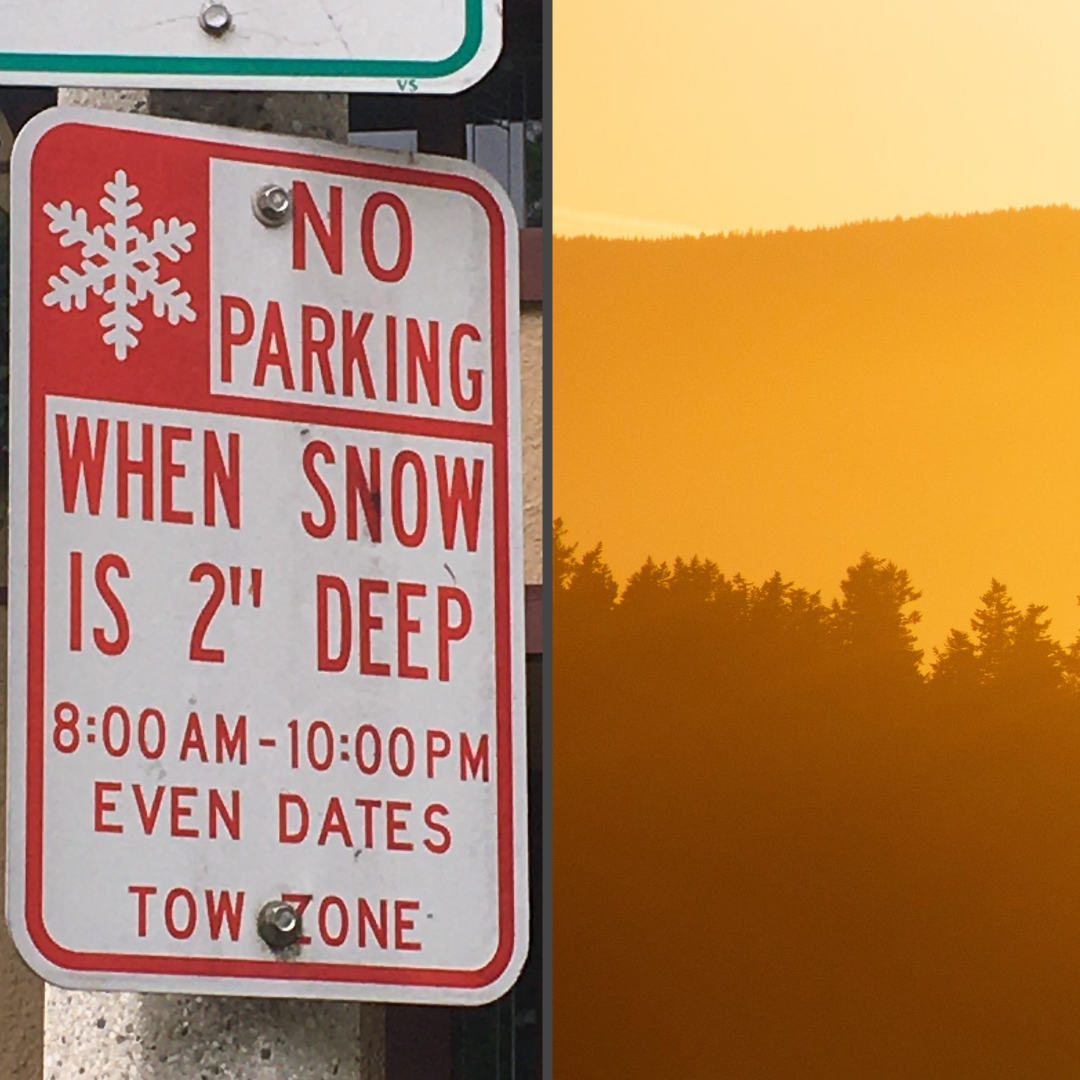
Reducing the risk of an accident and ending up in a hospital is a top priority. However, an impending grandson arrival in December is changing those plans. What a nice problem... we’ll need to be super careful. So what are distance families left with? Perhaps just April & May and September to November depending on where you’re travelling to. Extreme weather definitely affects Distance Families connections. BOOK SERIES NEWS
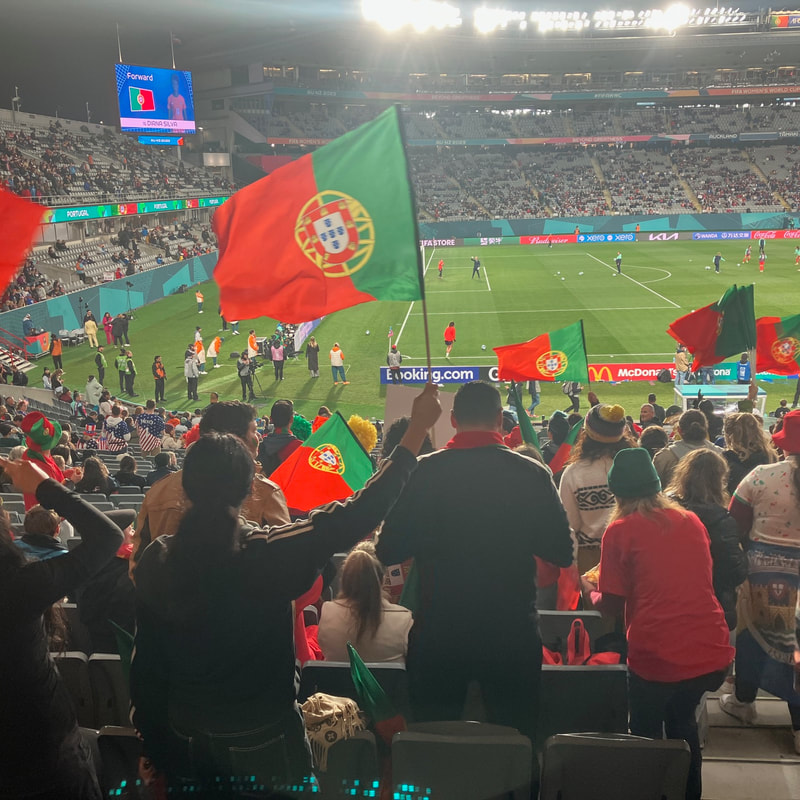
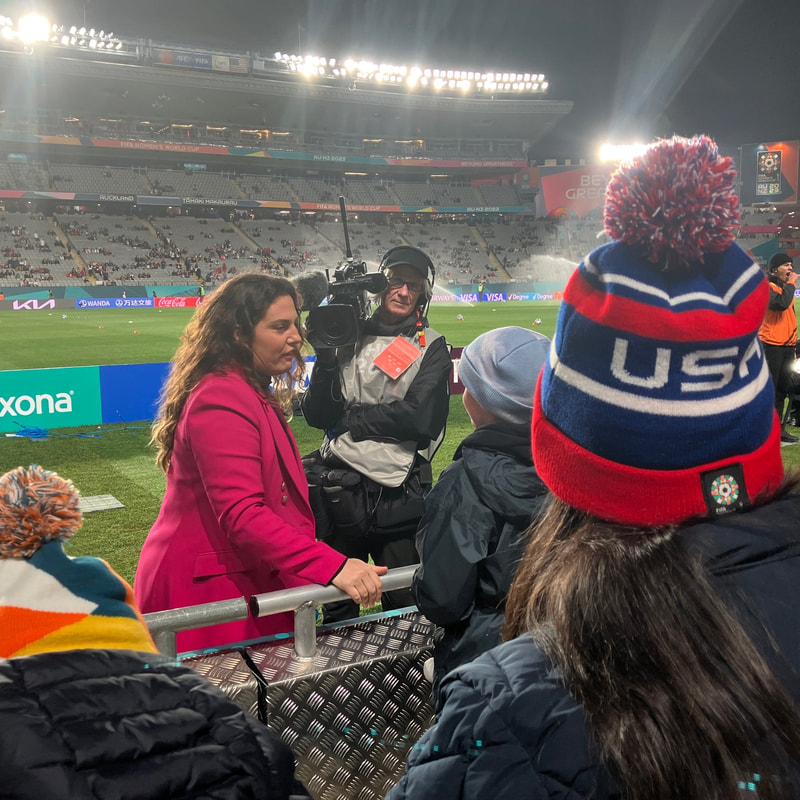
ON THE HOME FRONTYou may know one of my interests is singing in a local community choir. It’s a non-audition choir so it's not at the high brow end. The pandemic put a stop to most choir activity and once we re-grouped it took a bit of time to get back in the groove. Finally after a 4 year hiatus we’ve recently performed twice. Below is a photo of us enjoying a stand ovation. I have never had one of those before! I am far right at the front by the pillar. Here's a link to that performanceat this beautiful city church. And a few weeks later we participated in an Auckland-wide cultural choral event in a stunning cathedral. Enjoy. 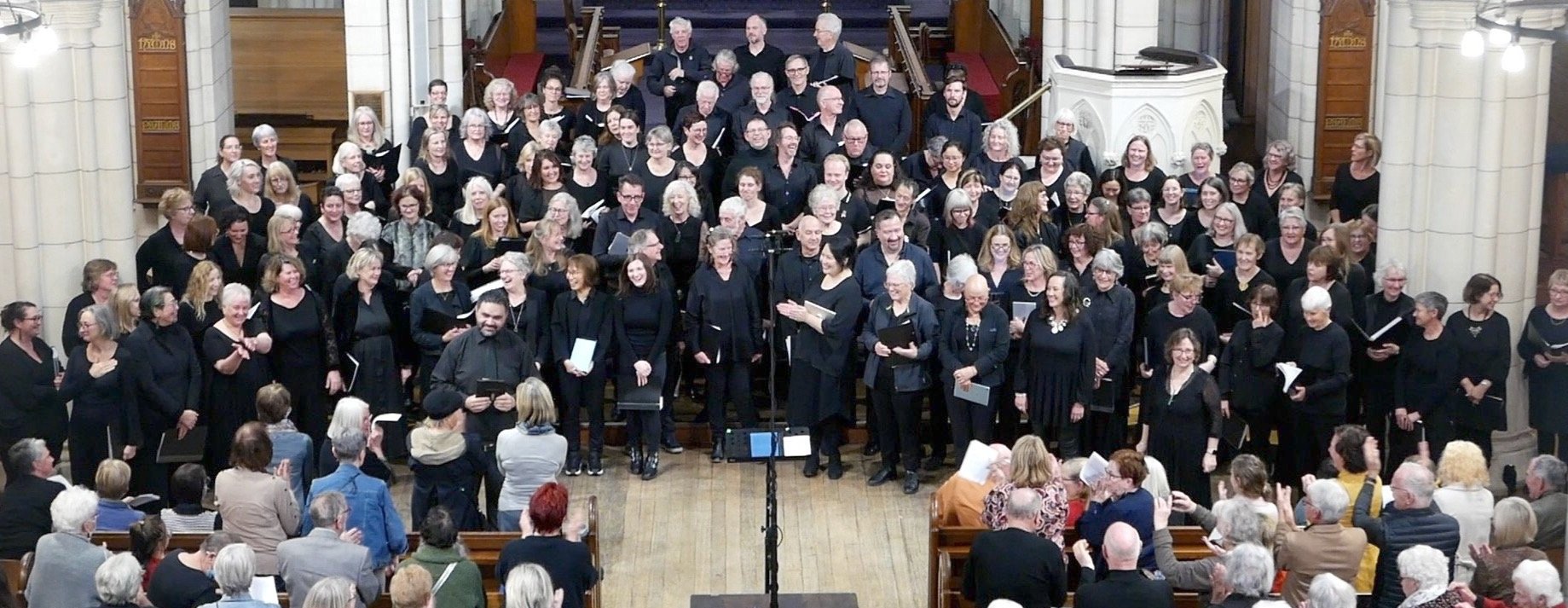 New Zealand and Australia are currently jointly hosting the FIFA Women’s World Cup. It is a big deal. Last night I attended the USA v Portugal match at the normally rugby-famous Eden Park. What a night! The largest NZ crowd ever for a women's sporting event - 42,958 of us. We'd been allocated seats three rows back from the field. The medics were right in front of us and we were surrounded by costume wearing, flag and banner carrying American and Portuguese fans. I am sure I ended up in the background on a telecast somewhere in the world as passionate fans were interviewed and filmed nearby. And be assured, listening to their accents there were many kiwis amongst them supporting the visitors. Up behind us was a huge crowd of flag waving, Portuguese fans including a drummer who played the entire time. To my American friends commiserations - you didn't expect a 0-0 draw. But be sure, the huge American supporter crowd did you proud. To my Portuguese friends - well done. Your reserves were warming up just a few metres from us - so nimble and fast and their team spirit was obvious. You can be very proud of their performance.
Take care until next time
Helen Ellis P.S. Not registered to receive this monthly newsletter? You may register on the right of this page. Thanks for your support. HE |
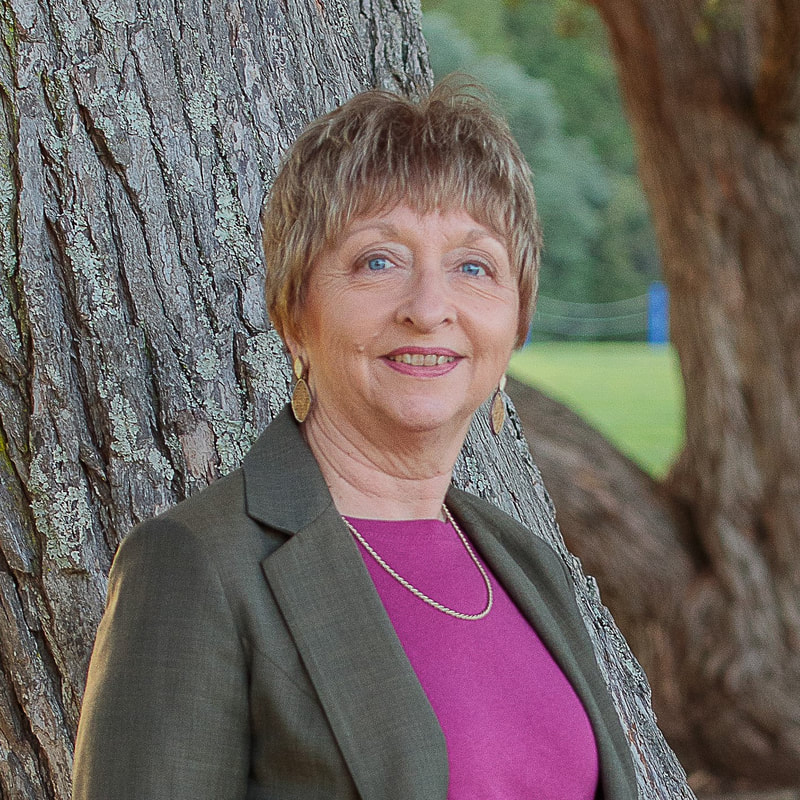
Helen EllisPlease click below to follow Distance Families News and receive the monthly newsletter.
Any information you provide will only be used to send you the latest news from Distance Families and for no other purpose. For more information see Helen's privacy policy
Archives
July 2024
|